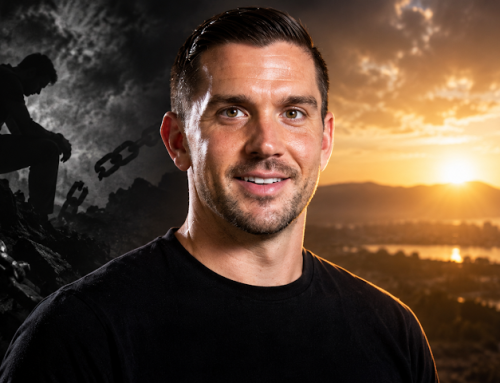

After a decade working in the wine industry, Christopher Anderson stopped focusing on what most people see—the bottle, the branding, the experience—and started paying attention to what most people never do.
The backend.
What he found wasn’t a marketing problem or a sales problem. It was compliance.
Every winery selling direct-to-consumer in the United States operates inside a fragmented system shaped by decades-old regulations. Each state has its own rules governing taxes, reporting, and licensing. For wineries shipping across state lines, that can mean navigating up to 48 different regulatory environments at once. The result is a process that consumes dozens of hours every month and, in some cases, costs more than $170,000 a year just to stay compliant.
It’s not work that grows the business. It’s work required to keep it running.
Anderson saw that gap clearly because he had lived inside it. After years in wine, followed by time in tech and earning an MBA in information security, he was pulled back into the industry to help solve a compliance issue for a major direct-to-consumer shipper. What started as a one-off problem quickly revealed itself as something much bigger.
The system wasn’t just inefficient. It was fundamentally broken.
So he built Compliancevine, the core product from Joy of Wine, a platform designed to automate the reporting process that wineries were handling manually. Instead of spending days reconciling data, calculating taxes, and formatting reports for different states, wineries can now complete that work in minutes. The product isn’t consumer-facing, and it doesn’t try to be. It sits underneath the business, quietly removing friction from one of the most painful parts of operating in the industry.
That positioning is intentional.
Anderson’s original idea wasn’t compliance software. It was an AI sommelier—a tool to help consumers discover wine based on their personal taste. It was compelling, and it opened doors. But when he started talking with experienced investors and operators, the feedback was consistent: the sommelier was interesting, but compliance was essential.
One was a feature. The other was a business.
That distinction drove the pivot.
Today, Compliancevine reflects a broader principle that shows up across successful startups: companies that solve urgent problems win. Wineries might want better ways to discover and recommend wine, but they need a way to manage compliance. The difference between those two is what separates ideas from companies that scale.
While the initial focus is wine, the opportunity extends far beyond it. The same dynamics—fragmented regulation, manual processes, and high risk—exist in industries like alcohol, cannabis, finance, and healthcare. Solving compliance in one vertical creates a foundation that can expand into others.
That’s where the real business is.
Now part of 757 Accelerate, Anderson is building within a growing ecosystem of founders focused less on hype and more on execution. The story isn’t just about wine. It’s about identifying a problem that operators deal with every day and building something that makes it go away.
Because the biggest opportunities in business rarely sit on the surface.
They’re buried in the work no one wants to do.
This is what’s being built in Hampton Roads.
Real companies. Real problems. Real execution.
Explore more founder stories on the Fervent Four Show and stay plugged in by subscribing to This Week in 757—your inside look at the region’s startup and business ecosystem.