
Coworking hasn’t failed. It’s just been misunderstood.
For years, the model has been treated like a real estate play, fill a space with desks, add decent amenities, and hope demand follows. Some do well. Many don’t. The difference usually isn’t location or design.
It’s whether the space was built around what tenants actually need.
Because most small business owners aren’t looking for office space. They’re solving for something else entirely, risk, credibility, connection, and access. And when those needs aren’t met, the space becomes easy to leave.
That’s where a different approach starts to stand out.
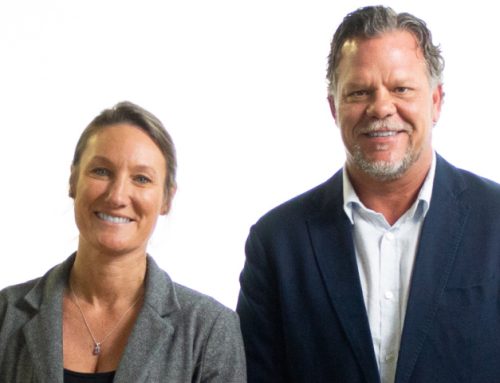
“They know exactly what small business owners need to be successful because they’ve lived it and breathed it,” said Gene Granger, Managing Director of The IncuHub. Instead of starting with the question of what the space should look like, the focus is on what the customer is trying to accomplish.
That shift shows up immediately in how the model is structured.
Flexibility comes first. Early-stage businesses don’t want to lock themselves into long-term commitments when the future is uncertain. “Signing a twelve-month lease can be a very intimidating thing to do,” Granger said. “You don’t know if you’re going to be in business twelve months from now.” Month-to-month terms remove that friction and make it easier to get started.
Then comes credibility. For many founders, especially those working from home, having a legitimate business address matters more than the desk itself. It’s a signal to customers, partners, and vendors that the business is real. A simple mailbox, in that context, becomes more than a convenience, it becomes infrastructure.
But the biggest difference shows up in how people interact once they’re inside.
“We’re not just an office building where people come to work. We truly are a community,” Granger said. That idea isn’t about events or programming. It’s about proximity. People working alongside others who are solving similar problems, facing similar challenges, and willing to share what they’ve learned.
Over time, those interactions compound. A quick conversation turns into a connection. A connection turns into an opportunity. Inside the space, they call it “return on collision.”
That’s the part most traditional models miss.
They focus on what they can provide physically, desks, offices, amenities. But what keeps people there, and what brings others in, is what happens between those walls.
When the environment is built around real needs, flexibility, legitimacy, and access to people, the space becomes more than a place to work. It becomes part of how a business operates and grows.
And when that happens, the outcome is predictable.
Demand builds. Referrals follow. The space fills up.
Not because it’s coworking.
But because it works.
That’s the broader lesson.
Most businesses don’t struggle because the idea is flawed. They struggle because they start in the wrong place, building around assumptions instead of actual customer needs.
The ones that succeed don’t overcomplicate it.
They listen first.
Then they build.
Want to stay in the loop on big moments like this? From local tech events to entrepreneur spotlights, This Week in 757 brings you all the business and innovation highlights from Hampton Roads and beyond.
 Subscribe here: https://bit.ly/twi757newsletter