
Nonprofits have a math problem.
Their missions keep growing. Their teams often don’t.
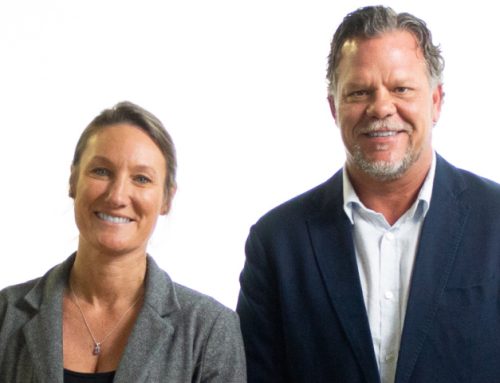
For StratusLIVE founder and CEO Jim Funari, the problem isn’t simply that nonprofits need more people. It’s that the people they already have can spend hours each week moving information between donor databases, event platforms, volunteer systems, email tools and financial software that were never designed to work together.
StratusLIVE has a name for those lost hours: the “System Tax.”
Now the Chesapeake software company has built a new product around eliminating it.
StratusLIVE launched Ignite this month, a new platform aimed at mid-sized nonprofits trying to increase their capacity without continually adding staff or stitching together more software.
“We’ve been building nonprofit software here in Hampton Roads since 2008, and we kept seeing the same thing: missions keep growing, but teams don’t,” Funari said. “Most development offices are small and stretched, and they pay what we call a ‘System Tax.’”
Ignite brings CRM (donor management), fundraising, finance, marketing, engagement and other organizational information together around a single constituent record. A significant piece of StratusLIVE’s bet is what happens on top of that data.
The platform includes what the company calls digital teammates, or AI agents, designed to handle tasks such as prospect research, cultivation plans, digital experience generation, prioritization and drafting content and reports.
The goal is to take repetitive work off the plates of nonprofit employees without taking control away from them.
That distinction was intentional.
“Nonprofits run on trust: with donors, with boards and with their communities,” Funari said. “An AI that sends the wrong message to a major donor, or changes a gift record on its own, can damage a relationship that took years to build.”
Ignite’s AI agents can perform research and prepare work, but actions that change data or communicate with donors require human approval. Actions are also logged to create an audit trail.
“The AI adds capacity, and the people stay accountable for the relationships,” Funari said. “We think that’s what responsible AI looks like in this sector, and it’s what boards are asking for.”
The launch also follows a direction Funari discussed publicly earlier this summer.
During a June 9 appearance on Fervent Four, Funari discussed using AI agents to reduce back-office work and give nonprofit teams more capacity. A June 10 Innovate Hampton Roads profile of StratusLIVE also reported that the Chesapeake company was developing new products for the mid-market and exploring AI agents around data, analytics and daily business processes.
Three months later, Ignite puts a product behind that strategy.
It is designed for mid-sized, mission-driven organizations whose ambitions have outgrown their staff and collection of disconnected tools.
Funari said the test will ultimately be whether those organizations can spend less time managing information and more time working with the people who support their missions.
After six months to a year, he said, fundraisers should be spending more of their week with donors instead of assembling information. The system should identify donors at risk of lapsing earlier, allow organizations to create more personalized outreach faster and give leadership one trusted view of the organization rather than forcing teams to reconcile reports from multiple systems.
“In short, they have the capacity of a larger team without adding headcount,” Funari said.
That is the bet behind Ignite.
Give nonprofit employees back the hours they are losing to disconnected systems and repetitive work, while keeping people responsible for the relationships that ultimately drive the mission.