
Starting a business takes courage. Growing one takes discipline. Knowing when to stop growing might be the hardest decision of all.
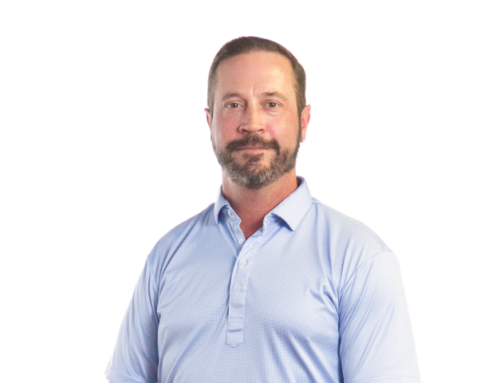
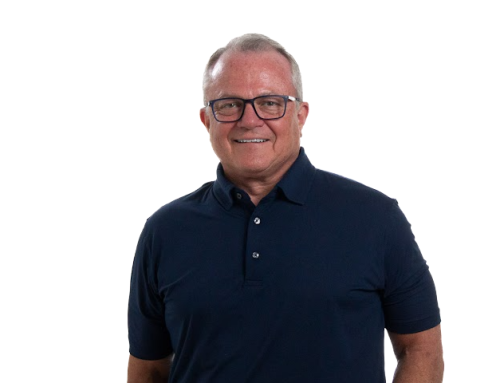
For Justin Askew and Stephanie McLane, the leaders behind Virginia Beach-based AREMCO, those decisions have helped turn a personal gamble into one of the fastest-growing businesses in the country.
“We cashed in everything that we had to do this. Everything,” Askew said during a recent episode of Fervent Four.
They didn’t borrow money or bring in outside investors. Instead, they put their own resources behind an idea they believed could improve how real estate assets were managed across the country.
The timing wasn’t exactly ideal.
AREMCO launched shortly before COVID disrupted the economy. But what began as a calculated risk grew into a nationwide operation supported by thousands of subcontractors and real estate professionals.
In 2026, AREMCO ranked No. 313 on the Inc. 5000 and No. 1 among Hampton Roads companies on the list.
Now, Askew has his sights set on a $250 million company valuation.
But reaching that goal doesn’t mean pursuing every opportunity.
Sometimes Growth Means Saying No
During the conversation, McLane explained that AREMCO had numerous opportunities to expand its business this year.
Rather than pursue them all, the company made a deliberate decision to slow down.
“We decided to stop and pause this year to work on focusing with operations,” she explained.
That meant strengthening internal processes, investing in technology, and ensuring the company could support the growth it had already achieved.
“When you grow that fast, if you don’t have your operations keep up, the house of cards falls,” McLane said.
It’s a challenge many business owners face. More customers, more revenue, and more opportunities can make it feel like the only direction is forward.
But rapid expansion without the systems to support it can put everything you’ve built at risk.
For AREMCO, the decision wasn’t about abandoning ambition. It was about protecting the company’s ability to achieve it.
The Difference Between Opportunity and Necessity
That same philosophy shapes how AREMCO approaches outside investment.
Askew described a recent meeting with representatives of a major investment bank that had pursued a conversation with him for six weeks.
For a company built without outside capital, the meeting represented a significant milestone.
But Askew wasn’t interested in taking investment simply because it was available.
“We don’t need what you’re offering today, but we need you possibly for advisory,” he recalled telling them.
Instead of chasing money, AREMCO is evaluating the expertise, relationships, and resources necessary for its next stage of growth.
It’s an important distinction.
The company that once risked everything to get started now recognizes that taking every available opportunity can create risks of its own.
Knowing When to Push and When to Pause
Askew describes himself as the “giddy up” and McLane as the “whoa.”
He brings the ambition and momentum. She brings the boundaries and processes that help turn that vision into something sustainable.
McLane describes the relationship between those approaches as essential to building a successful business.
Every vision needs someone who can execute it, protect it, and ensure it lasts.
For business owners watching AREMCO’s trajectory, the lesson isn’t simply to take bigger risks or pursue faster growth.
It’s recognizing that the courage to start and the discipline to slow down are equally important.
Justin Askew and Stephanie McLane discuss their journey, their ambitious goals, and the decisions behind AREMCO’s growth in the latest episode of Fervent Four.